The Truth About Heart Attack: What You Don’t Know Could Kill You

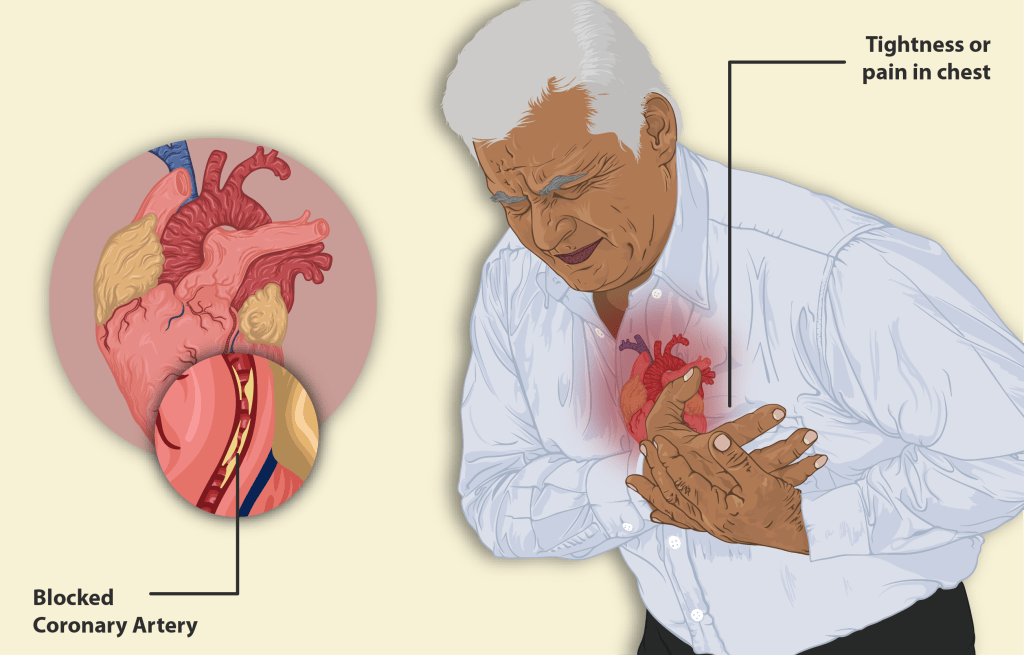
Heart attack is a serious condition that occurs when the blood flow to the heart muscle is severely reduced or blocked. This can damage or destroy the heart muscle and lead to life-threatening complications. The most common cause of heart attack is coronary artery disease, which is the buildup of fatty, cholesterol-containing deposits called plaques in the heart arteries1. These plaques can narrow the arteries and reduce blood flow to the heart. Sometimes, a plaque can rupture and cause a blood clot to form on its surface. The clot can block the artery completely and stop blood flow to a part of the heart12.

There are other causes of heart attack that are less common but still serious. These include coronary spasm, which is a sudden and severe tightening of a heart artery that can cut off blood flow2; coronary embolism, which is a blood clot that travels from another part of the body and gets stuck in a heart artery2; and spontaneous coronary artery dissection (SCAD), which is a tear in the inner layer of a heart artery that can block blood flow2. These causes are more likely to affect women, younger people, and racial and ethnic minorities2.

Some factors that increase the risk of having a heart attack are age, high cholesterol levels, diabetes, family history, smoking, obesity, high blood pressure, stress, and lack of physical activity12. Some of these factors can be modified by making healthy lifestyle changes, such as quitting smoking, eating a balanced diet, exercising regularly, managing stress, and taking medications as prescribed12. However, some factors cannot be changed, such as age and genetics. Therefore, it is important to be aware of the symptoms of a heart attack and seek medical attention immediately if they occur. Some common symptoms are chest pain or discomfort, shortness of breath, sweating, nausea, vomiting, dizziness, and pain or discomfort in the arm, back, neck, or jaw12.

Heart attack is a serious condition that can be prevented or treated if detected early. By knowing the causes and risk factors of heart attack, people can take steps to protect their heart health and reduce their chances of suffering from this life-threatening condition.HeartAttackAwareness
#KnowTheSigns
#HeartHealthyLifestyle
#SurvivorStories
#FightHeartDisease
Received message.

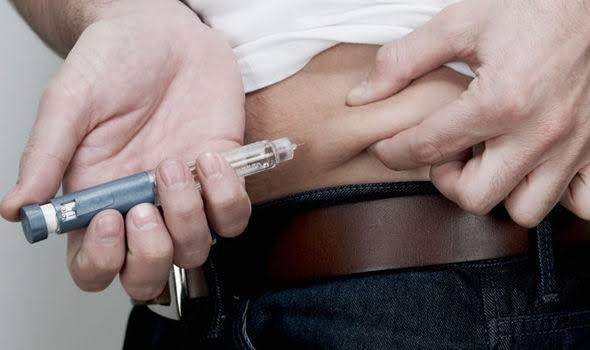
“Take Control: How to Reduce Diabetes Without Relying on Medication” – Discover the natural solutions to managing your diabetes and take back control of your health today.

Are you tired of feeling like you’re a prisoner to your diabetes medication? Fortunately, there are ways to manage diabetes without relying solely on medication. Here’s how: 1. Cut the sugar: Reduce your intake of refined sugar and replace it with natural sweeteners such as stevia or honey. 2. Adopt a low-carb diet: Carbohydrates are […]

“Take Control: How to Reduce Diabetes Without Relying on Medication” – Discover the natural solutions to managing your diabetes and take back control of your health today.

“Take Control: How to Reduce Diabetes Without Relying on Medication” – Discover the natural solutions to managing your diabetes and take back control of your health today.

Are you tired of feeling like you’re a prisoner to your diabetes medication? Fortunately, there are ways to manage diabetes without relying solely on medication. Here’s how:

1. Cut the sugar: Reduce your intake of refined sugar and replace it with natural sweeteners such as stevia or honey.

2. Adopt a low-carb diet: Carbohydrates are converted into sugar in the body, so opting for a low-carb diet can help stabilize your blood sugar levels.

3. Move your body: Exercise can lower blood sugar levels and improve insulin sensitivity. Aim for at least 30 minutes of moderate exercise daily.

4. Try natural supplements: Studies have shown that cinnamon, magnesium, and alpha-lipoic acid can help reduce blood sugar levels.

By implementing these lifestyle changes, you can reduce your reliance on medication and manage your diabetes naturally.

Don’t forget to use our #HealthyHabits #DiabetesAwareness #FitForLife #NaturalRemedies #HealthyLifestyle hashtags to spread the word and inspire others on their diabetes management journey!

“Hooked on Healthy: Catching Sustainable Weight Loss Solutions”

“The Silent Struggle: Understanding the Causes and Consequences of Diabetes”

Diabetes is a chronic condition that affects millions of people around the world. According to recent studies, an estimated 1.6 million deaths in 2016 were directly caused by diabetes. This equates to roughly 2.8% of all global deaths, making it one of the leading causes of death in the world.

The risk of death from diabetes is especially high for people who develop complications from the condition. These complications include heart disease, kidney damage, nerve damage, blindness, and even amputations. In fact, people with diabetes have a significantly higher risk of dying from heart disease or stroke than people without the condition.

So, while the statistics on diabetes-related deaths may be alarming, it’s important to remember that there are steps you can take to manage your condition and reduce your risk of complications. With the right care and support, it’s possible to live a long and healthy life with diabetes.

It’s important to note that while diabetes can be a fatal condition, it doesn’t have to be. Proper management and treatment can help reduce the risk of complications and improve quality of life. This means that early diagnosis, regular check-ups, and proper self-care are crucial for people living with diabetes. DiabetesDeaths #DiabetesComplications #DiabetesAwareness #ManageDiabetes #PreventComplications #HealthyLivingWithDiabetes #DiabetesCare #ReduceRisk #EarlyDiagnosis #AwarenessIsKey #DiabetesPrevention #HealthyLifestyle #SupportForDiabetes #LiveHealthyWithDiabetes